Business CPA Rockwall AlternativeOne conversation for the month
The month and the return belong in one conversation, so March does not become a second explanation of a year you already lived.
Point at the month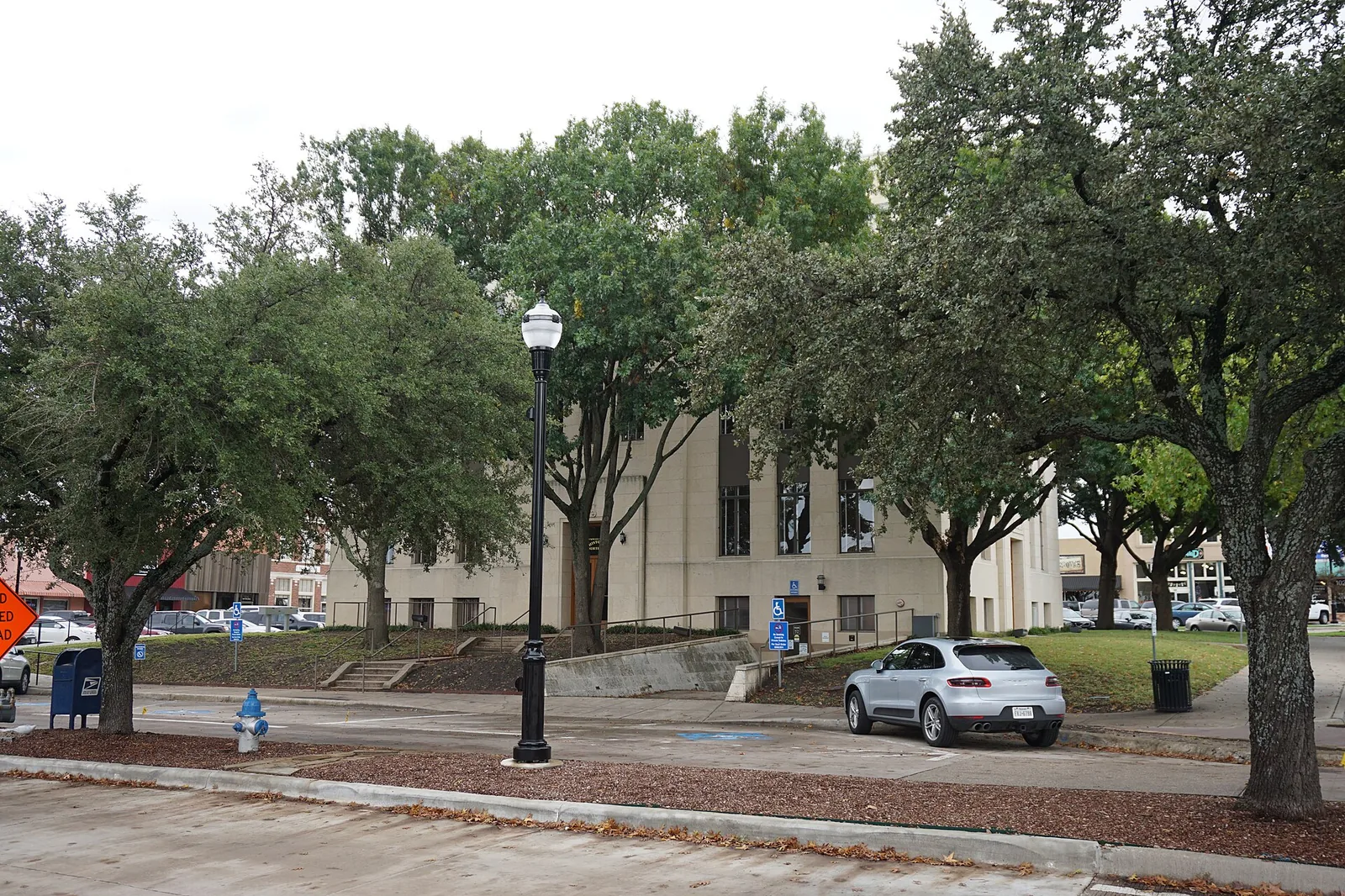
One thread, from the close to the return
When the person who closes the month is not the person who prepares the return, the year gets told twice and the two tellings drift. We keep both jobs. Categories do not get renamed every spring. A question settled in June is still settled when February asks it again. The return should read like the months you already lived, not like a document that arrived from somewhere else.
The things that break the thread are dull, which is why they last. A deposit with a blank memo. A check the bank cleared that the books still show as open. An owner draw hiding in supplies, so the profit looks worse than the cash in the account. A card feed that went quiet in the middle of a Harbor weekend and stayed quiet until the statement. Each one is small. Together they leave the month without an ending.
The order we use is the bank, then the cards, then any loan, then the sales tax payable. That payable has to show the city 2 percent, and the half percent when the sale left the city limit. A question that is still hanging keeps the month open, and we say the question rather than bury it. A month is finished when you could explain it to a stranger.
A shop we have not closed before takes longer the first time, because we are learning where the square's Saturday batch lands and which jobs cross the limit. Later, the close is a date on the calendar. You get a short reading. While October is still open, a purchase, a wage, or a close that can still move the year gets named out loud. By March the year has already happened.
The courthouse in the picture belongs to the county, and it is a good building to look at. We do not keep a room on that square. The meeting is a video call and a file both of us can open. The close date does not slide because the causeway was slow.
Who speaks for the file
If a number moved, you should be able to ask one practice why. A file split across two people becomes a year split across two stories. We would rather close the months and prepare the return, so the answer has one voice.
We still do not sign an assurance report. Reliance a lender wants is a cover from a firm allowed to sign it. The months can be clean before that firm is called. A clean file is easier for you to read in a year, which is reason enough.
Once payday is set up, a provider runs it. We do not add a third voice to every wage. The setup is the part we do beside you. After that, payday stays where we put it.
A return with nobody minding the close is a return waiting on a pile of unnamed deposits. We do not draft from that pile. An open year is either brought current or left alone, and we will not draft on top of it and call that a return.
Which month is still open
